
Essential Nutrients Explained
Discover comprehensive guides to vital nutrients your body needs. Learn about absorption, sources, and practical applications for optimal wellness.
The information on this site is for educational purposes only and does not constitute medical advice. Always consult a qualified healthcare professional before making health decisions.
Browse by Nutrient Category
Vitamin D: Sunlight and Supplementation
Explore how vitamin D regulates calcium absorption, supports immune function, and bone health. Learn about natural sources like sunlight and fatty fish, seasonal variations, and when supplementation becomes relevant.
Read ArticleIron: Oxygen Transport and Energy
Understand iron's critical role in oxygen transport and energy production. Discover heme versus non-heme iron sources, bioavailability factors, and dietary strategies to optimize absorption through plant and animal sources.
Read ArticleProtein: Building Blocks for Life
Learn how protein supports muscle maintenance, enzyme production, and hormone synthesis. Compare complete and incomplete proteins, explore diverse sources from meat to legumes, and understand daily intake recommendations for various lifestyles.
Read ArticleOmega-3 Fatty Acids: Brain and Heart Support
Investigate omega-3s' role in cardiovascular and cognitive function. Compare EPA, DHA, and ALA types, explore marine and plant sources, and understand how consistent intake supports long-term wellness and inflammation management.
Read ArticleMagnesium: The Relaxation Mineral
Explore magnesium's involvement in muscle function, nerve signaling, and energy production. Discover bioavailable forms, natural food sources from seeds to dark leafy greens, and how adequate intake supports stress resilience and sleep quality.
Read ArticleAntioxidants: Cellular Protection Explained
Understand how antioxidants like vitamins C and E, selenium, and polyphenols protect cells from oxidative stress. Learn about dietary sources from berries to nuts, synergistic combinations, and evidence-based perspectives on optimal consumption patterns.
Read ArticleNutrient Absorption Fundamentals
How Your Body Processes Essential Nutrients
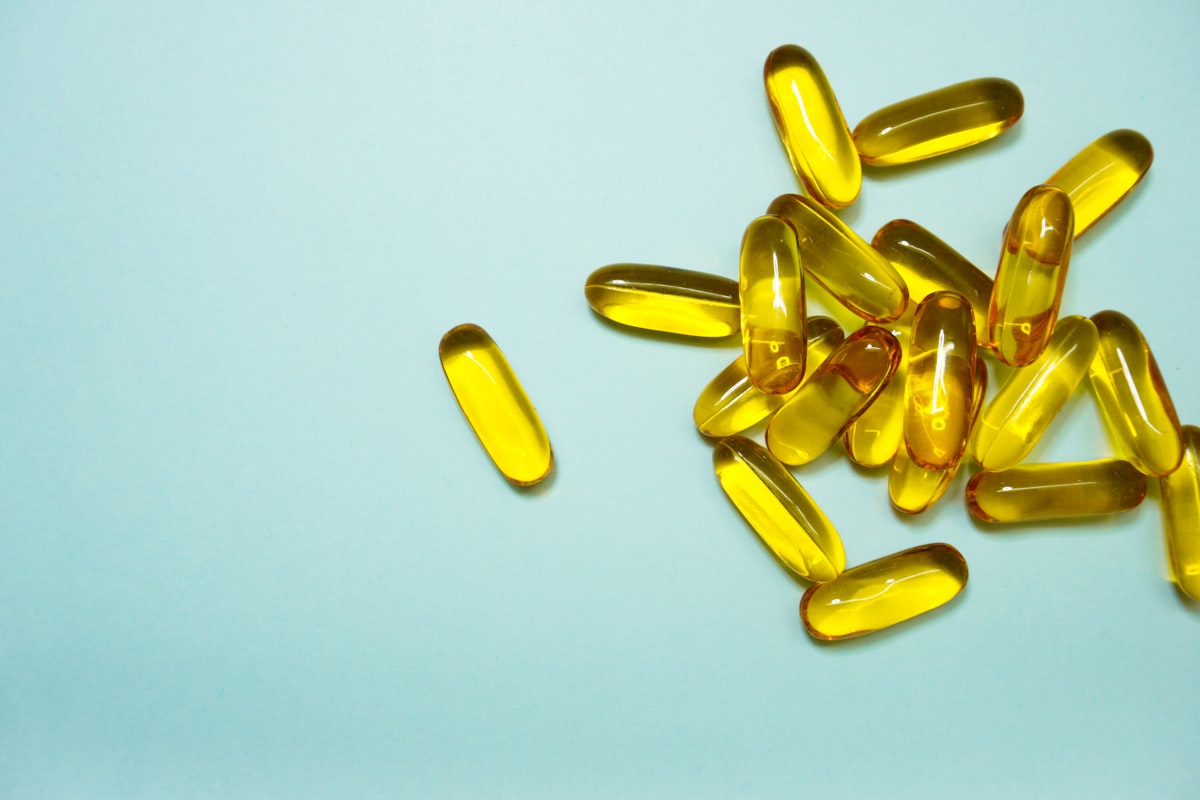
Nutrient absorption is a complex physiological process that begins in the mouth and continues through the digestive tract. Each nutrient type—vitamins, minerals, proteins, and fats—follows specific absorption pathways optimized by your digestive system. Understanding these mechanisms helps explain why food combinations, cooking methods, and meal timing affect nutrient availability.
Fat-soluble vitamins like A, D, E, and K require dietary fat for absorption in the small intestine. Water-soluble vitamins like B-complex and C are absorbed directly into the bloodstream. Minerals compete for absorption sites, meaning balance is crucial—too much of one mineral can inhibit another. Our detailed guides explore these interactions and practical strategies to maximize nutrient bioavailability.
Read Full Absorption GuideUnderstanding Nutrient Sources
Plant-Based Sources
Legumes, seeds, nuts, whole grains, and leafy greens offer concentrated nutrient profiles. Learn which plants provide complete proteins, how to combine complementary amino acids, and optimize mineral absorption from plant sources through preparation techniques.
Animal-Based Sources
Meat, fish, dairy, and eggs provide bioavailable nutrients in concentrated forms. Explore heme iron from red meat, omega-3s from fatty fish, complete proteins from poultry, and micronutrients from organ meats and bone broth traditions.
Fortified Foods
Cereal grains, plant-based milk alternatives, and refined foods often receive added nutrients. Understand fortification benefits, label reading for nutrient content, and how fortified foods integrate into diverse dietary patterns and nutritional strategies.
Common Nutrient Questions
Fat-soluble vitamins (A, D, E, K) dissolve in fat and are stored in body fat tissue, allowing them to accumulate over time. Water-soluble vitamins (B-complex, C) dissolve in water, are absorbed directly into the bloodstream, and excess amounts are excreted through urine rather than stored. This distinction affects absorption requirements—fat-soluble vitamins need dietary fat for uptake, while water-soluble vitamins are more easily absorbed but require consistent daily intake since the body doesn't maintain reserves.
Minerals like calcium, magnesium, iron, and zinc use similar or identical absorption pathways in the small intestine. When one mineral is present in excess, it can occupy absorption sites and inhibit uptake of others. For example, high calcium intake can reduce iron absorption, and excessive zinc supplementation may interfere with copper absorption. This is why mineral balance matters—consuming appropriate ratios and spacing supplements with food helps optimize individual mineral bioavailability.
Yes, but requires strategic combining. Most individual plant sources lack one or more of the nine essential amino acids, but combining complementary proteins—such as legumes with grains, or nuts with seeds—creates complete amino acid profiles. Soy, quinoa, and buckwheat are rare plant exceptions that contain all nine essential amino acids in one source. Our detailed article on amino acids explores traditional combinations and modern plant-based protein sources for those following vegetarian or vegan dietary patterns.
Cooking has variable effects on nutrient retention. Heat-sensitive water-soluble vitamins (B and C) leach into cooking water and degrade with prolonged heating—steaming and quick cooking preserve more than boiling. However, heat can increase bioavailability of other nutrients: lycopene in tomatoes becomes more available when cooked, and carotenoids in carrots are better absorbed after cooking. Different cooking methods—steaming, sautéing, roasting, boiling—affect nutrients differently, making varied preparation techniques valuable for maximizing overall nutrient intake.
Antinutrients are naturally occurring compounds in plants—phytates, tannins, oxalates, and lectins—that can bind to minerals and reduce absorption. Phytic acid in grains and legumes binds zinc and iron; oxalic acid in spinach reduces calcium bioavailability. However, antinutrients aren't harmful in moderate amounts and actually offer protective benefits. Traditional preparation methods like soaking, sprouting, and fermentation reduce antinutrient content. A varied, whole-foods diet balances antinutrient exposure while capturing the nutritional benefits of diverse plant sources.
How We Create Our Content
Research-Based Editorial Approach
Our editorial team at Nutritionfoundationpath synthesizes peer-reviewed nutritional science into practical, understandable guides. Each article undergoes rigorous fact-checking against current nutrition research and established nutritional principles. We present evidence-based perspectives on nutrient function, natural food sources, and practical applications—avoiding exaggerated claims while providing genuine insights into how nutrients support human physiology.
We focus on education and informed decision-making. Our writers include nutrition professionals, science communicators, and content specialists dedicated to translating complex nutritional concepts into accessible articles. Whether you're exploring individual nutrients, understanding absorption dynamics, or learning about diverse food sources, our guides provide depth without oversimplification.
Nutrient Integration Strategies
Building Nutritionally Complete Meals
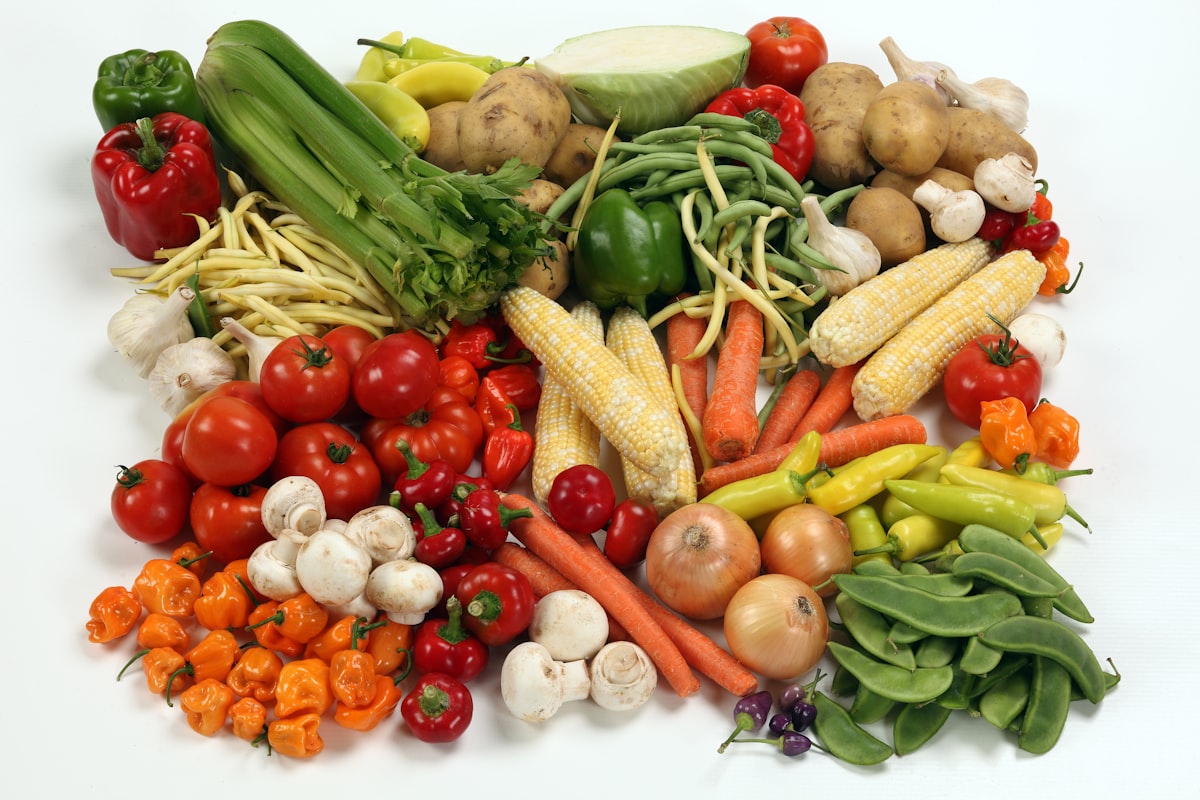
Integrating diverse nutrients into daily eating patterns creates synergistic nutritional benefits. When you combine vitamin C-rich foods with iron sources, you enhance iron absorption. Pairing fats with fat-soluble vitamins increases their bioavailability. Including probiotic-rich fermented foods alongside fiber supports digestive health. Our guides explore practical meal-building strategies that layer different nutrient sources and maximize the nutritional value of what you consume.
Understanding nutrient synergies helps you make informed food choices without overthinking every meal. Rather than isolating single nutrients, we encourage exploring whole-foods approaches that naturally deliver complementary micronutrients and macronutrients together. This foundational approach to nutrition supports diverse dietary patterns and lifestyle preferences while maintaining nutritional adequacy.
Explore More ArticlesDeepen Your Nutrient Knowledge
Browse our comprehensive nutrient library with evidence-based guides on vitamins, minerals, macronutrients, amino acids, and phytonutrients. Learn how your body uses these essential compounds and discover practical strategies for optimizing nutrient intake through diverse food sources.
What Our Community Says
"The Nutrition Foundation Path gave me clarity on which nutrients my body actually needs. The personalized guidance has transformed my eating habits for the better."
Sarah Mitchell
Fitness Enthusiast
"As a busy professional, I needed simple, actionable nutrition advice. This platform delivers exactly that without the overwhelming jargon."
James Rodriguez
Corporate Executive
"I love how evidence-based everything is. The nutrient library has answers to questions I didn't even know I had about my diet."
Emma Chen
Health Coach
Frequently Asked Questions
Do I need supplements or can I get all nutrients from food?
Most people can meet their nutrient needs through a diverse, whole-food diet. However, certain populations—including pregnant women, vegans, and those with specific health conditions—may benefit from targeted supplementation. Our guides help you identify whether you need supplements based on your individual circumstances.
How do I know which nutrients I'm deficient in?
The best way to identify deficiencies is through blood work ordered by your healthcare provider. Our platform helps you understand what different nutrient levels mean and provides evidence-based strategies for addressing common deficiencies through diet and lifestyle adjustments.
Are the recommendations suitable for all ages?
Nutrient needs vary significantly by age, sex, and life stage. Our guides include age-specific recommendations and special considerations for children, adults, seniors, and pregnant women. Always consult with a healthcare provider for personalized advice.
Can I trust the science behind your recommendations?
Absolutely. All our content is based on peer-reviewed research, official dietary guidelines, and evidence from reputable health organizations. We cite sources and regularly update information as new research emerges. Transparency and accuracy are our core commitments.
How often should I reassess my nutrition needs?
It's beneficial to reassess your nutrition periodically—especially after major life changes, health status changes, or every 1-2 years as part of general wellness maintenance. Use our guides as a foundation, then work with a healthcare provider or registered dietitian for personalized reassessment.
Ready to Optimize Your Nutrition?
Start your journey toward better health with science-backed nutrition guidance. Explore our tools, learn from our comprehensive guides, and take control of your nutritional wellness today.
Get Started Now